










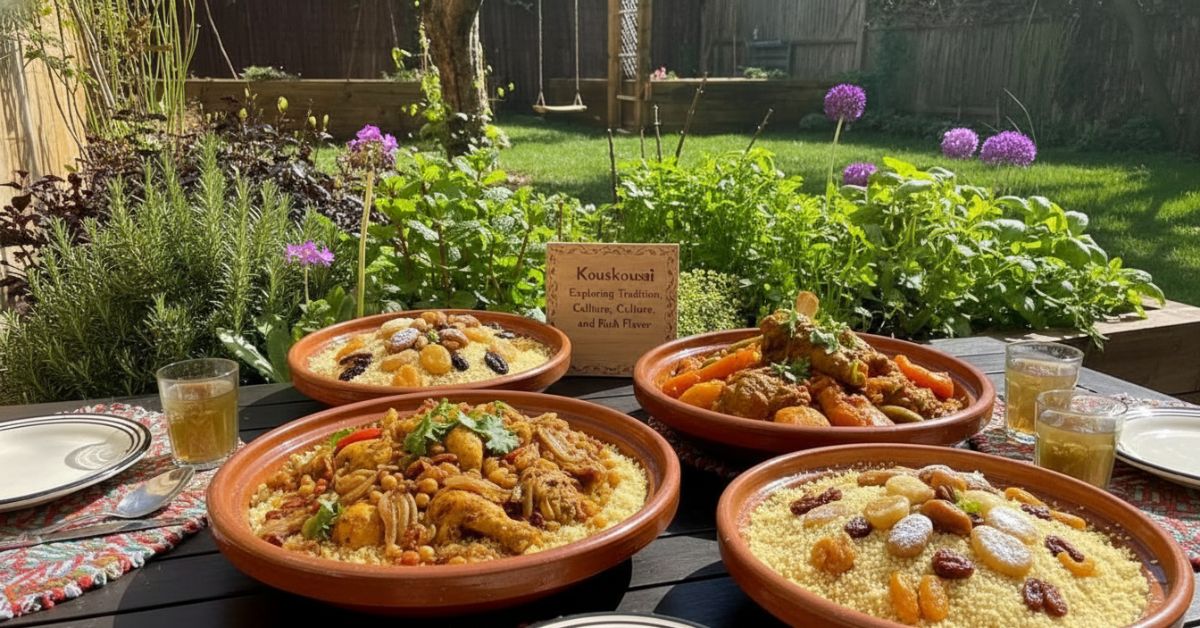
Introduction to Kouskousi
Kouskousi is more than just a dish; it’s a vibrant tapestry of flavors, history, and culture woven together through generations. Originating from North Africa, this beloved staple has made its way into kitchens worldwide, bringing with it the warmth of tradition and the spirit of community. Whether you’re familiar with kouskousi or have yet to discover its delights, you’re about to embark on an exciting culinary journey. Get ready to explore the rich heritage behind this extraordinary dish, learn how to prepare it in your own kitchen, and uncover the myriad ways kouskousi can elevate your meals!
The History and Cultural Significance
Kouskousi has roots that stretch deep into North African history. Traditionally made from durum wheat, this dish is believed to have originated among the Berber people of Morocco, showcasing their culinary ingenuity.
As a staple food, kouskousi embodies the spirit of communal dining. It brings families and friends together around a shared platter, emphasizing unity and tradition in many cultures.
In addition to its nutritional value, they plays a significant role during celebrations. Festivals often feature elaborate versions prepared with meats and vegetables, highlighting local flavors and customs.
Its significance goes beyond just nourishment; it represents heritage and identity for many communities across the region. Each grain tells a story of resilience and connection to one’s ancestors.
A Step-by-Step Guide to Making Traditional Kouskousi
Making traditional kouskousi is a rewarding culinary experience. Start with high-quality couscous, usually made from durum wheat. Measure out one cup of couscous for every two cups of water.
In a pot, bring the water to a boil. Add salt and a drizzle of olive oil for flavor. Once boiling, remove it from heat and stir in the couscous. Cover the pot tightly and let it steam for about 5 minutes.
Once ready, fluff the couscous with a fork to separate the grains. For added richness, incorporate some butter or more olive oil at this stage.
Feel free to mix in sautéed vegetables or spices like cumin and coriander for an extra kick. Serve warm as a base or side dish to complement your favorite proteins or stews. Enjoy experimenting with textures and flavors!
Variations of Kouskousi Across Different Regions
Kouskousi, a beloved staple, varies remarkably across regions. Each area adds its own twist, showcasing local ingredients and traditions.
In North Africa, particularly in Morocco,it is often steamed with aromatic spices like cumin and coriander. It’s served alongside succulent meats and vibrant vegetables.
Moving to Algeria, the dish takes on a heartier form. Here, it’s common to find it paired with rich stews that feature chickpeas and lamb or beef. The flavors are bold and comforting.
Tunisia introduces a spicy kick with harissa mixed into the grain or served as a condiment. This version offers an exciting balance of heat alongside sweetness from raisins or apricots.
Each region’s variation reflects its culture making every plate of kouskousi not just food but also a story of tradition woven through flavor and history.
Nutritional Benefits of Kouskousi
Kouskousi is not just a delightful dish; it’s also packed with nutritional benefits. Rich in carbohydrates, it serves as an excellent energy source. This makes it ideal for anyone needing a quick boost throughout the day.
It’s often made from whole grains, which means you’ll get a good dose of fiber. Fiber aids digestion and keeps you feeling full longer.
Additionally, it can be paired with various vegetables and proteins, enhancing its nutrient profile. Depending on your choice of toppings, you can add vitamins and minerals to your meal effortlessly.
Kouskousi is low in fat and can easily fit into many dietary plans. It accommodates different lifestyles while offering essential nutrients that promote overall health. Enjoying this dish contributes to balanced meals without sacrificing flavor or tradition.
Popular Recipes Using Kouskousi
Kouskousi lends itself beautifully to a variety of dishes. One popular recipe is Kouskousi with vegetables. This colorful meal combines seasonal vegetables like bell peppers, zucchini, and carrots sautéed in olive oil. The veggies add a burst of flavor.
Another favorite is Kouskousi with lamb or chicken. Slow-cooked meat pairs wonderfully with the grains, creating a comforting dish that warms the soul. A sprinkle of spices enhances this savory experience.
For those wanting something lighter, try a Mediterranean salad featuring them mixed with cherry tomatoes, cucumbers, feta cheese, and olives. Drizzle some lemon dressing over it for an invigorating twist.
Kouskousi can even be sweet! Combine it with dried fruits like apricots or raisins and top it off with honey for a delightful dessert. Each of these recipes showcases the versatility of kouskousi in unique ways.
Tips for Incorporating Kouskousi into Your Diet
Incorporating kouskousi into your diet can be a delightful culinary adventure. Start by using it as a base for salads. Toss in fresh vegetables, herbs, and a splash of lemon juice for a refreshing dish.
You can also try replacing rice or pasta with kouskousi in your favorite recipes. It pairs wonderfully with stews or grilled meats, soaking up all those delicious flavors.
For breakfast, consider mixing them with yogurt and fruit for a nutritious start to your day. Add some nuts or honey for extra texture and sweetness.
Don’t forget about snacks! Kouskousi can be transformed into savory fritters when mixed with spices and fried until golden brown.
Experimenting is key let your creativity shine while enjoying this versatile ingredient!
Final Thoughts on the Versatility
Kouskousi is more than just a dish; it’s a cultural symbol that transcends borders. Its rich flavors and textures make it suitable for various culinary creations, from hearty stews to light salads. The adaptability of kouskousi allows home cooks and chefs alike to experiment with ingredients, making each meal unique.
Whether you’re exploring traditional recipes or putting your own twist on this classic dish, the possibilities are endless. It can easily fit into any diet be it vegetarian, vegan, or omnivorous providing nourishment while celebrating diverse culinary traditions.
As you incorporate it into your meals, think about the stories behind each grain and how they connect cultures across the globe. Enjoy experimenting with different spices and accompaniments that enhance its natural flavor. With every bite of kouskousi, you’re not just enjoying food; you’re savoring history and tradition in a delicious way.